
As a conscientious consumer, you care about the environment, reducing waste, and cutting down on needless spending. You shop carefully for your major appliances, choosing brands and businesses that minimize their environmental impact and that treat their employees fairly. But what are some additional ways you can continue your sustainability efforts at home? ADU, Your Appliance Source, is proud to recommend some innovative ideas.
Sustainability in the Fridge
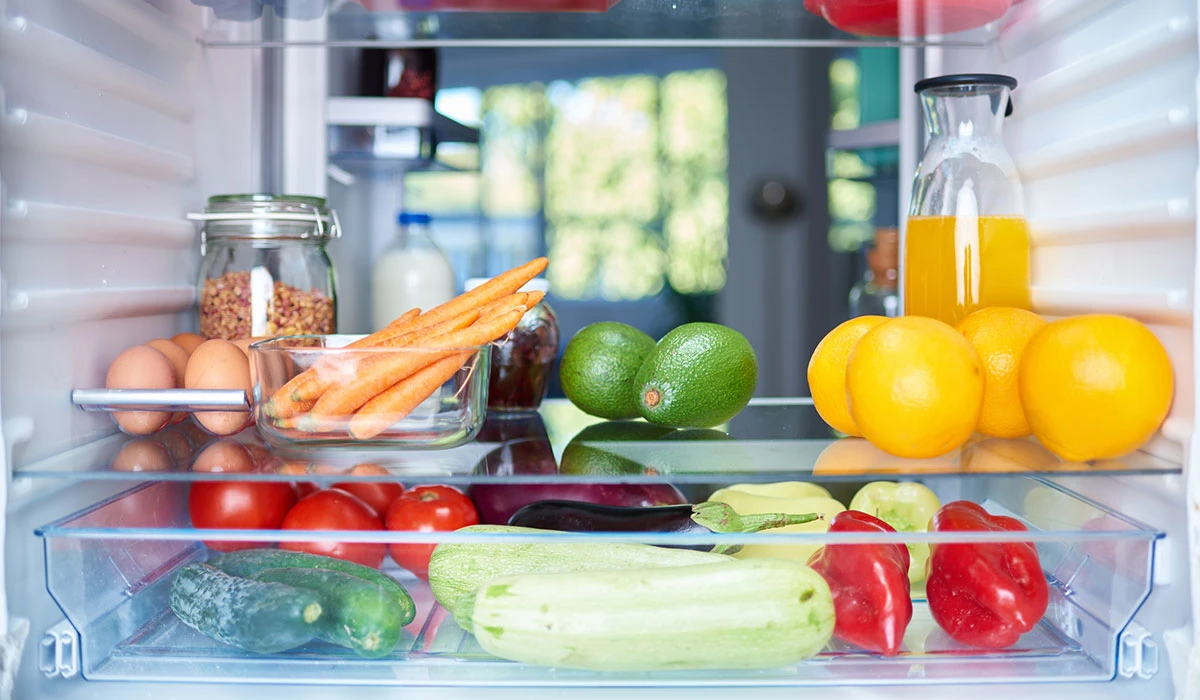
Your refrigerator is a workhorse. It’s your one major appliance that runs all day, every day. One way to make a sustainable impact in terms of your fridge is to buy one that is energy-efficient. However, that may not be the best thing you can do. Consider the refrigerator size you actually need. For instance, if there are only one or two people in your household or you frequently dine out, you can reduce your carbon footprint by buying a smaller fridge, which uses less energy. Don’t use the ice or water dispenser? Opt for one that doesn’t have those features—they use a lot of energy!
For food sustainability, keep your produce fresher for longer by using crisping drawers. Or freeze fresh fruits to help them last longer. (They’re great in smoothies or as a yogurt topping!) These two simple swaps can stretch your grocery dollars and keep food waste from going into the landfill, where it takes up space and emits harmful methane gasses.
If food waste does need to be discarded, compost it or use a food waste disposer.
Sustainability in Laundry
There are several ways to practice sustainability in the laundry room. For starters, wash your clothes only as often as they need it. Sure, some clothes like underwear and socks should be washed after every wear. But other items, like jeans or sweaters (when worn with an undershirt), can be worn several times before needing to be washed, barring stains or spills. This not only saves energy and water, but it also extends the life of your clothing, thereby reducing textile waste.
When you do need to run a load of laundry, do a few larger loads instead of a lot of smaller ones. And use a high-efficiency (HE) washing machine. Many HE machines can sense the size of the load and adjust the water level accordingly. Also, use cold water whenever possible and appropriate — many HE detergents are specially formulated for cold water wash.
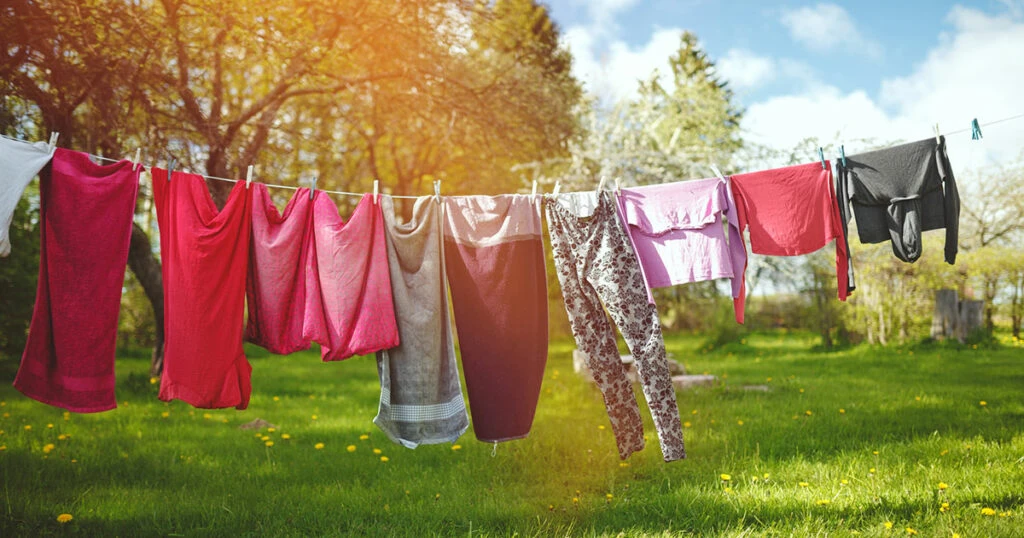
As for drying, the most sustainable way to get clothes dry is to use solar power, also known as line drying. Embrace the fresh smell of line-dried clothes and save the dryer’s energy for evenings, rainy days, and the winter months.
Sustainability in Dishwashing
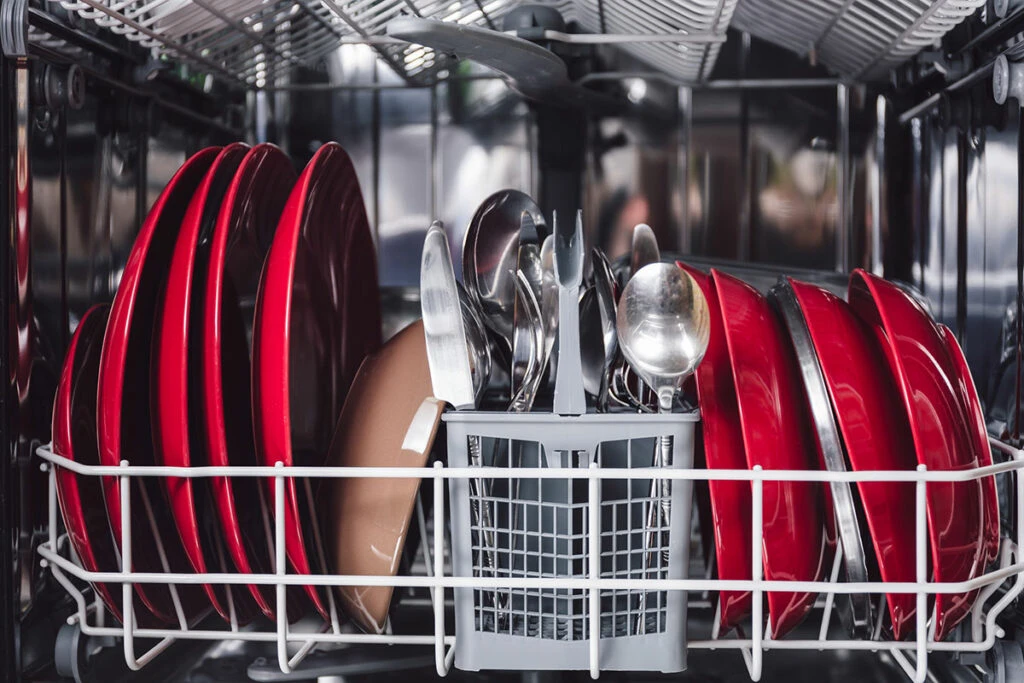
Some energy-efficient dishwashers may actually use less water than hand-washing your dishes. And with the ability to superheat the water, your dishes will be cleaner and sanitized, too. But if you want to take sustainability a step further, forgo the heated dry cycle, which uses a lot of extra energy. A quick toweling off as you unload the dishwasher works just fine.
There are two other things you can do to enhance your personal sustainability efforts at home. Look for brands that build appliances from either recyclable metals or recycled materials, and buy for longevity. Today’s appliances may get a bad wrap for not lasting as long as our grandparents’ and parents’ appliances did. But many brands are committed to producing quality appliances that are built to last.
When you’re ready to reduce your carbon footprint, ADU is delighted to help you find the brands and appliances to suit your sustainable lifestyle.